GLP-1 Weight Loss Drugs: Benefits, Side Effects, and Why Strength Training Matters
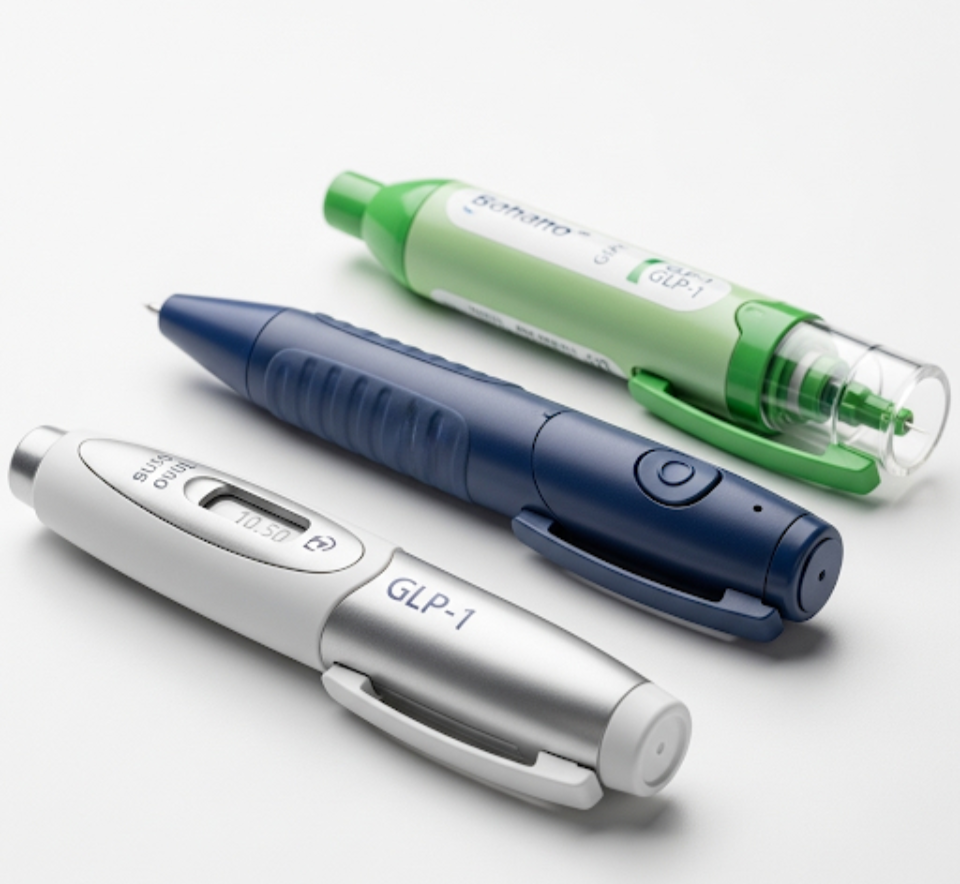
If you’ve been paying attention to health headlines lately, you’ve probably heard of GLP-1 medications like Ozempic, Wegovy, and Mounjaro. Originally developed to treat type 2 diabetes, these drugs are now being used by millions for weight loss. Some see them as revolutionary, while others question their safety or even worry they’re being taken away from people with diabetes.
The truth? GLP-1s are powerful, evidence-based tools that can dramatically change how the body handles food, appetite, and even long-term health. But like any medical tool, they’re not without risks, and they’re not meant to replace healthy habits like exercise and strength training.
Let’s break down what GLP-1s really are, how they work, who should consider them, and why the weight-loss journey doesn’t stop at the prescription pad.
What Exactly Are GLP-1s?
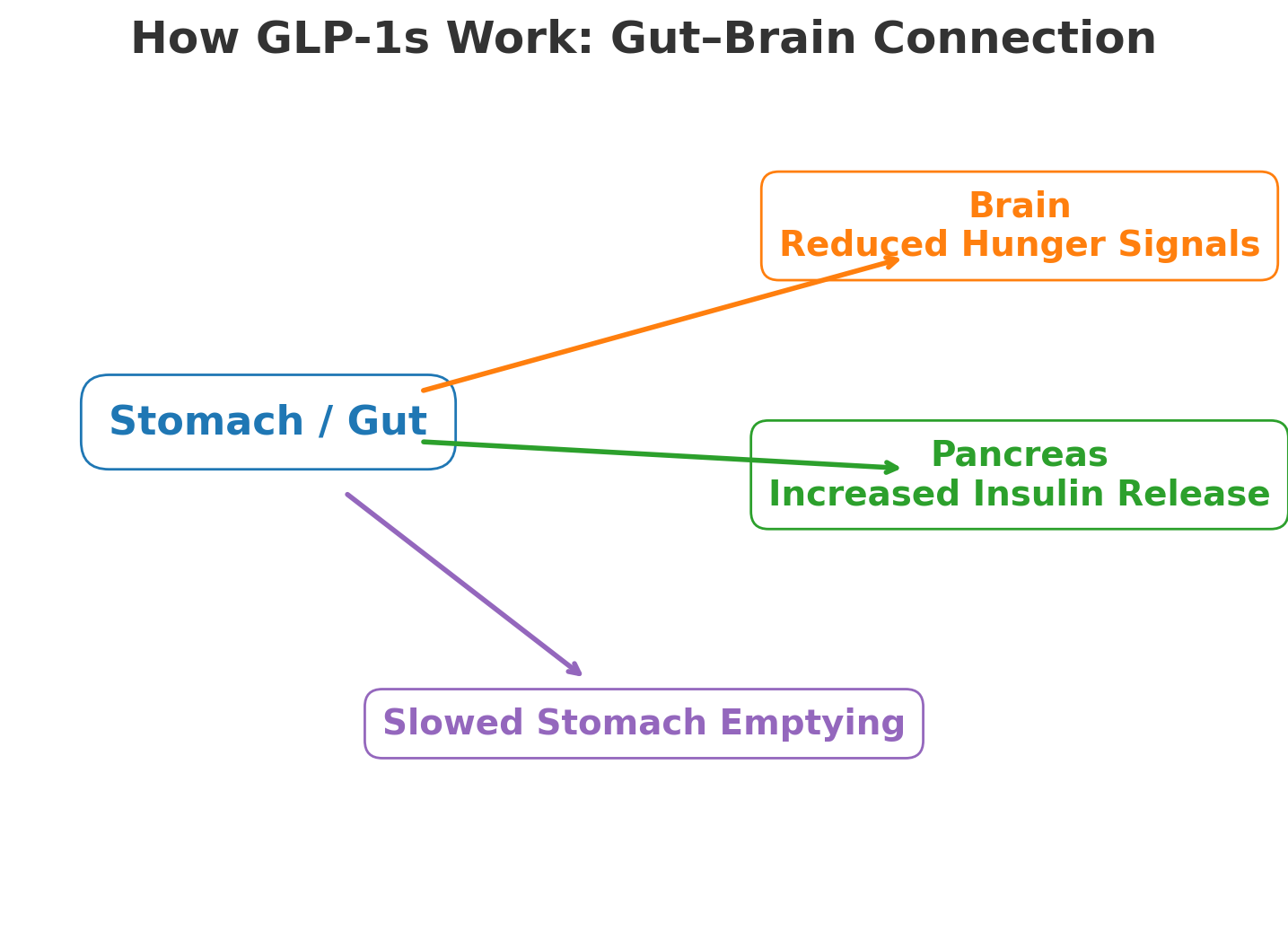
GLP-1 stands for glucagon-like peptide-1, a hormone naturally produced in your gut after you eat. Its main jobs are:
Stimulating insulin release to lower blood sugar
Slowing down stomach emptying
Sending “I’m full” signals to your brain
Pharmaceutical versions of this hormone are called GLP-1 receptor agonists. These drugs essentially copy and amplify the effects of your body’s own GLP-1.
A Brief History
2005: The first GLP-1 medication (exenatide, brand name Byetta) was approved for diabetes.
2017: Semaglutide (Ozempic) hit the market, showing strong results for blood sugar control.
2021: The FDA approved semaglutide (Wegovy) specifically for weight management.
Today: Several GLP-1s are available, including liraglutide (Saxenda), dulaglutide (Trulicity), and tirzepatide (Mounjaro/Zepbound, which also acts on a related hormone called GIP).
It’s worth noting that each GLP-1 medication goes through its own clinical trials for approval.
Some were designed and tested specifically for type 2 diabetes, while others were tested separately for obesity and weight management.
That means when a doctor prescribes Wegovy for weight loss, they aren’t “taking” medication away from someone with diabetes using Ozempic. They are distinct products, each studied, approved, and manufactured for different indications.
How They’re Taken
Most GLP-1s are once-weekly injections with a small pen device. Some, like oral semaglutide (Rybelsus), are available as a daily pill.
How GLP-1s Help With Fat Loss
Unlike fad diets or old-school stimulants, GLP-1s help reduce food intake by literally changing the way your brain and gut handle hunger.
Here’s how:
Slowed Gastric Emptying: Food lingers in the stomach longer, prolonging fullness.
Blunted Hunger Signals: GLP-1s act on the hypothalamus, the brain’s appetite center, reducing the drive to eat.
Improved Insulin Sensitivity: More stable blood sugar means fewer crashes that spark cravings.
Clinical Trial Data
The numbers are striking:
In clinical trials, people taking semaglutide (Wegovy) lost an average of 15% of their body weight over 68 weeks.
Tirzepatide (Mounjaro/Zepbound) showed even greater effects, with some participants losing over 20% of body weight.
For comparison, lifestyle-only interventions often result in 5–7% weight loss. That’s why these drugs are getting so much attention—because they work, especially for people who have struggled with dieting for years.
Who Should Consider Taking GLP-1s?
GLP-1s aren’t designed for casual dieters looking for a shortcut. They’re generally prescribed for:
People with type 2 diabetes who need better blood sugar control
Adults with a BMI of 30 or higher (classified as obese)
Adults with a BMI of 27 or higher who also have conditions like high blood pressure, sleep apnea, or high cholesterol
Who Shouldn’t Take Them
Some individuals are advised against using GLP-1s, including:
People with a personal or family history of medullary thyroid cancer
Those with a history of pancreatitis
Pregnant or breastfeeding women
Why a Doctor’s Input Is Critical
These drugs aren’t over-the-counter supplements. Your primary care physician or endocrinologist should be the one to decide if they’re appropriate for you. They’ll evaluate your medical history, medications, and lifestyle before writing a prescription.
Bottom line: they’re a medical intervention, not a magic bullet.
Potential Side Effects and Long-Term Unknowns
Like any medication, GLP-1s carry risks. The most common side effects include:
Nausea
Vomiting
Constipation or diarrhea
Abdominal pain
These happen because food moves more slowly through the stomach. For many people, the symptoms ease after a few weeks, but not always.
Rare but Serious Risks
Gallbladder issues (including gallstones)
Pancreatitis (inflammation of the pancreas)
Thyroid tumors (seen in animal studies, but not confirmed in humans)
The Big Question: Long-Term Safety
Most studies only track participants for 1–2 years. That’s enough to show dramatic short-term weight loss, but it doesn’t tell us what happens with lifelong use. Do people regain weight after stopping? Are there hidden risks after 10+ years? Right now, we don’t know.
Beyond Fat Loss: Surprising Benefits
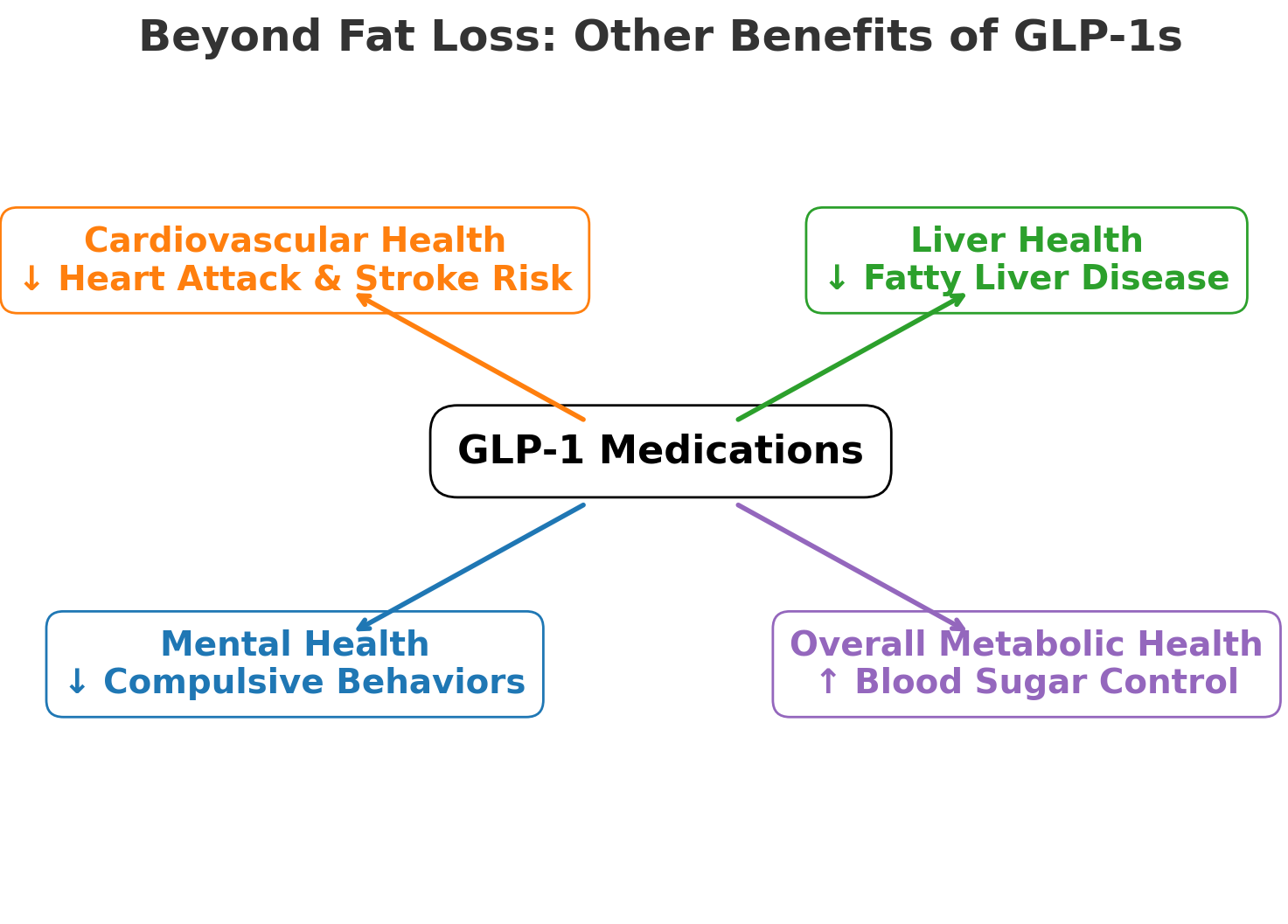
GLP-1s do more than shrink waistlines. Researchers are exploring their role in:
Cardiovascular Health
Several large trials show GLP-1s lower the risk of heart attack, stroke, and cardiovascular death in people with diabetes.
Fatty Liver Disease
They’ve shown promise in reducing non-alcoholic fatty liver disease (NAFLD), which is closely tied to obesity.
Mental Health & Compulsive Behaviors
Because GLP-1s act on brain pathways related to reward and impulse control, studies suggest they may help with compulsive behaviors like gambling, smoking, and even alcohol use. While still early, this could open a new frontier in treating addiction-related conditions.
Dealing With Stigma Around GLP-1s
Even with all the science backing GLP-1s, there’s still a lot of stigma surrounding their use. Some people keep their prescriptions secret—even from close family members—out of fear of being judged. One survey in the UK even found that nearly one in four adults wouldn’t tell others if they were using weight-loss injections, mainly because of shame or fear of criticism.
Here’s the truth: taking a GLP-1 is not cheating.
Obesity and weight struggles are complex, involving genetics, hormones, environment, and mental health—not just “willpower.” Using a medication to help regulate appetite and blood sugar is no different than someone with high blood pressure taking medication to control it. It’s healthcare, not a shortcut.
It’s unfair and flat-out wrong to dismiss GLP-1 use as laziness or the “easy way out.” These medications are a legitimate medical tool, and when used correctly under a physician’s guidance—and combined with lifestyle changes like strength training, eating well, and staying active—they can be life-changing.
If you’re on a GLP-1, you shouldn’t feel ashamed. You should be celebrated for taking charge of your health and using every tool available to build a better future for yourself.
Why Strength Training Is Non-Negotiable
Here’s the catch: rapid weight loss—no matter how it happens—can cause muscle loss along with fat.
That’s where strength training comes in. Resistance exercise signals your body to preserve muscle tissue even when calories are lower. Without it, you risk losing strength, slowing your metabolism, and increasing the chance of regaining weight later.
The Role of Protein
If you’re on a GLP-1, pair your workouts with a higher-protein diet (at least 1.6–2.2 g/kg of body weight per day). Protein helps maintain muscle, keeps you full, and supports recovery.
Don’t Forget Cardio
Strength training should be the priority, but adding zone 2 cardio (like brisk walking, cycling, or incline treadmill walking) supports heart health and fat loss without overtaxing your body. In a perfect world, 90 to 120 minutes of zone 2 cardio is the right amount to maximize heart health benefits.
A Beginner-Friendly Strength Training Program
If you’re new to lifting, here’s a 3-day full-body plan you can do with machines and dumbbells.
Warm-Up (5–10 minutes)
Brisk treadmill walk, bike, or elliptical
Dynamic stretches (arm circles, bodyweight squats)
Day 1 – Lower Body
1. Leg Press Machine – 3 sets of 10–12
2. Dumbbell Romanian Deadlift – 3 sets of 8–10
3. Leg Curl Machine – 3 sets of 10–12
4. Dumbbell Goblet Squat – 3 sets of 10–12
5. Standing Calf Raise (machine or bodyweight) – 3 sets of 12–15
Day 2 – Upper Body
1. Chest Press Machine – 3 sets of 8–10
2. Seated Row Machine – 3 sets of 10–12
3. Dumbbell Shoulder Press – 3 sets of 8–10
4. Lat Pulldown Machine – 3 sets of 10–12
5. Dumbbell Bicep Curl + Tricep Pushdown (superset) – 2–3 sets of 12–15 each
Day 3 – Full Body
1. Leg Extension Machine – 3 sets of 10–12
2. Dumbbell Romanian Deadlift – 3 sets of 8–10
3. Dumbbell Bicep Curl – 3 sets of 12–15
4. Tricep Pushdown (rope attachment) – 3 sets of 12–15
5. Plank Hold – 3 sets of 30 seconds
Training Notes
Rest 90 seconds between sets.
Aim for controlled, full range of motion on every rep.
Use weights that leave you with 1–2 reps “in the tank.”
Train on non-consecutive days (e.g., Mon/Wed/Fri).
Progress each week by adding a little weight, an extra rep(maximum of 15), or 1 more set(maximum of 5) when possible.
Key Takeaways
GLP-1s are clinically proven medications that help regulate blood sugar, blunt hunger, and promote significant weight loss.
They’re not taken away from diabetes patients—different versions are approved for different conditions.
The most common side effects are digestive, but the long-term risks remain unknown.
Benefits extend beyond fat loss, including potential improvements in heart health and compulsive behaviors.
Strength training and protein intake are essential for preserving muscle mass while using GLP-1s.
Using a GLP-1 is not cheating. It’s a legitimate medical treatment, and when combined with lifestyle changes, it should be celebrated—not stigmatized.
Final Thoughts
GLP-1s are not miracle drugs, but they’re also not cheating. They’re one of the most promising tools we’ve ever had in the fight against obesity and metabolic disease. Used correctly—under the guidance of a physician, combined with strength training, healthy eating, and an active lifestyle—they can change lives.
If you’re using a GLP-1, you don’t owe anyone an apology or explanation. You’re not taking the “easy way out.” You’re taking ownership of your health, using medical science to your advantage, and doing the work to build long-term results. That’s something to be proud of.
The real takeaway is this: medication and lifestyle aren’t enemies—they’re teammates. A GLP-1 can help quiet the noise of hunger so you can focus on building strength, eating better, and living fully. Long term, it’s those habits—not just the injection—that keep you lean, strong, and healthy.
So if you’re on this path, celebrate it. You’re investing in yourself, and that deserves recognition, not shame.
Last but not least..
I put together a free Balance and Stability Ebook designed to help you improve your balance in just minutes a day. It is the perfect companion to strength training and will help you move with confidence. If you want a free copy of my new Ebook just fill out the short form below and I’ll send a copy to your email.
Thanks for taking the time to read my article.
-Patrick